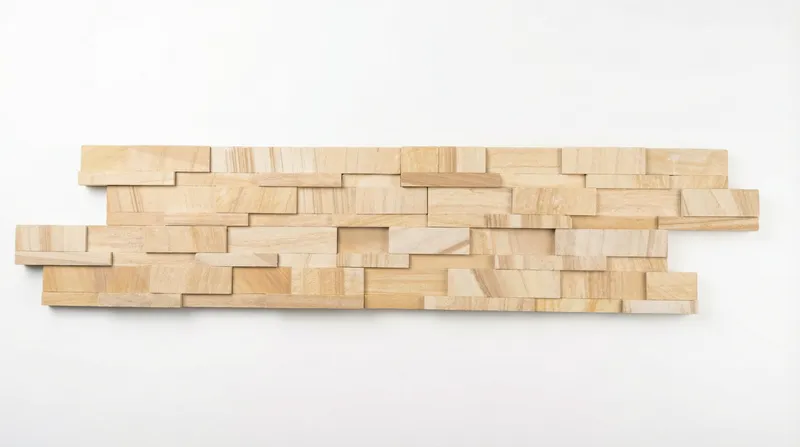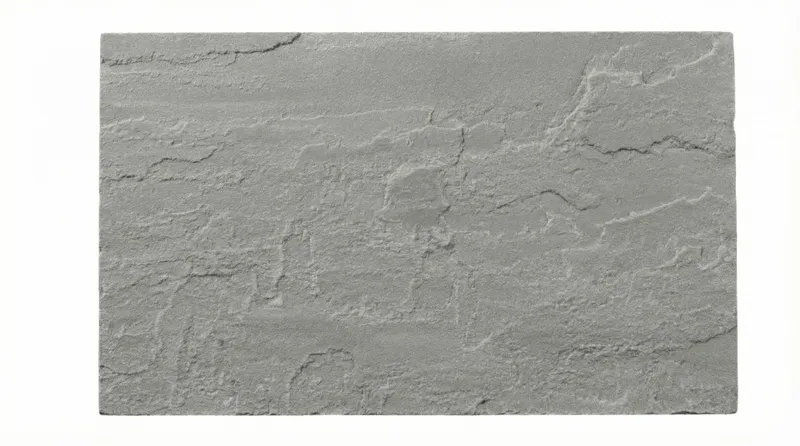
Separate steps, wall caps and pool copings in the order
A step tread is a walking surface with a front edge and a defined support condition. A wall cap protects and finishes the top of a wall. A pool coping connects the pool edge to surrounding surfaces and has its own water and maintenance exposure. The same stone color may unify these elements, but the fabrication details should be separate.
List each element with its quantity, dimensions, thickness, finish and edge profile. Include pieces that turn corners or meet curved geometry. A square-foot allowance for paving does not adequately describe these custom components.
Use drawings to agree the geometry
For stairs, coordinate the complete stair design with the project designer and local requirements. Identify the tread dimensions, overhang if specified, support, joints and edge profile. Avoid changing the leading edge at fabrication stage without checking its effect on the full stair geometry.
For caps and copings, identify inside and outside edges, finished faces, corners, returns and any underside details required by the design. Mark where a dimension is measured on a radius. Number unusual pieces so production, packing and installation refer to the same drawing.
Assess finish and winter exposure together
Review the walking finish for the intended wet conditions. A rough-looking photograph is not a slip test. Snow, frost and ice also require an operational maintenance plan regardless of the stone. Ask the specifier which documentation is appropriate for the actual surface and use.
Consider where water will collect around tread edges, wall caps and coping joints. The support and drainage design should avoid persistent trapped moisture. For pool settings, identify the proposed water treatment and cleaning products when discussing material compatibility.
Approve a sample that includes the worked edge
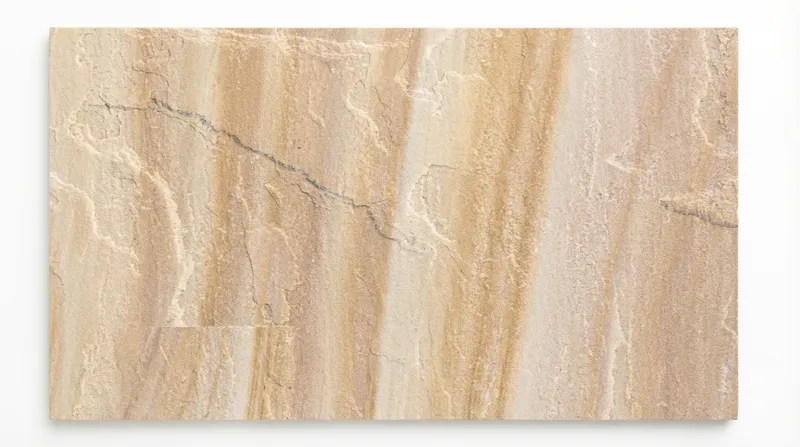
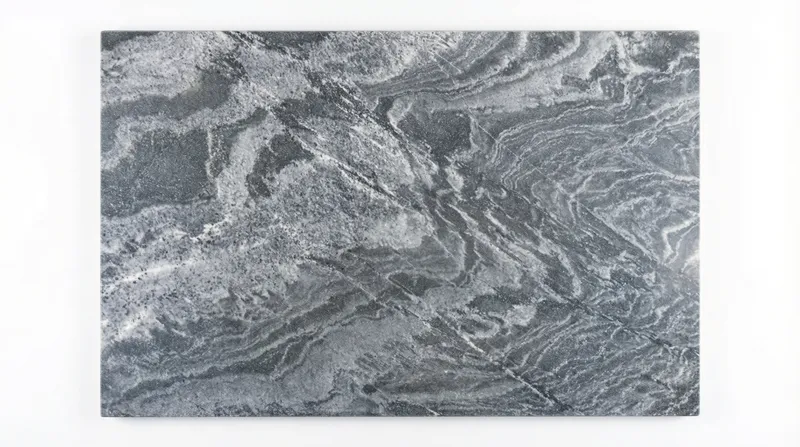
A flat tile sample cannot fully represent a bullnose, eased edge or textured nose. Ask for the proposed edge treatment on a representative sample. Review color on both the face and the worked edge, as fabrication can reveal a different appearance from the natural surface.
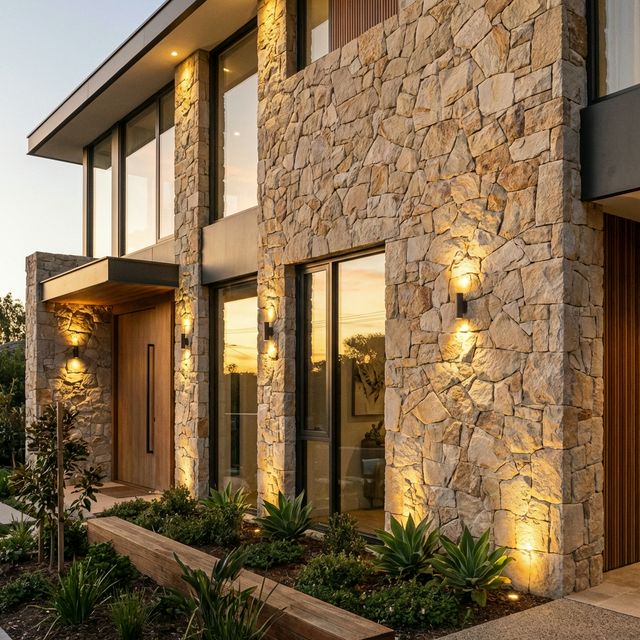
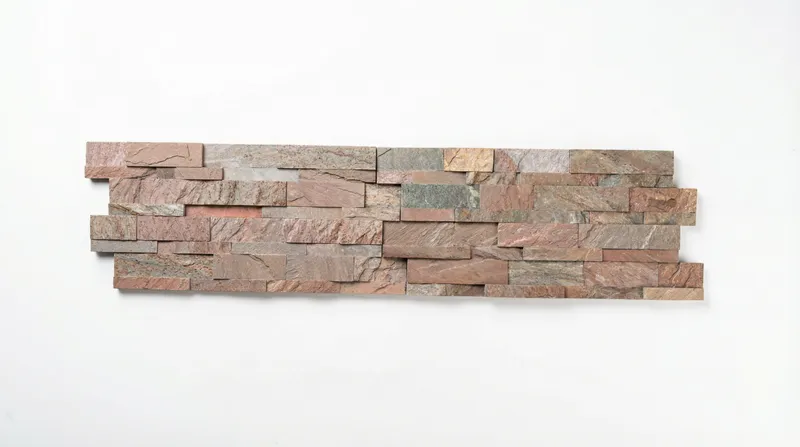
Where several elements will sit close together, approve the palette as a group. Paving, risers and copings can look inconsistent if selected independently from unrelated reference samples. Agree the natural variation range while keeping the technical requirements for each use distinct.
Plan packing and site handling for custom pieces
Ask for drawing numbers and piece identifiers on the packing list. Discuss crate organization, protection of worked edges and the unloading equipment available at the receiving site. Large or unusual pieces need a handling plan that matches their dimensions and weight.
Roop Stone Impex offers custom stone fabrication. Send drawings and destination details with the enquiry, then confirm the material, technical submission and sample approval before production. Read the cold-climate selection guide and winter care checklist alongside the fabrication schedule.