Start with the exposure, not a blanket “frostproof” label
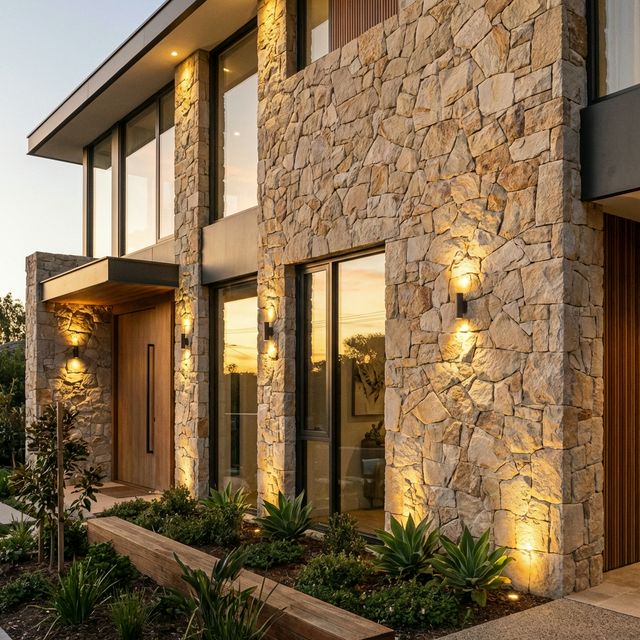
A front wall under a deep roof in Vermont, an open patio in Michigan and a pool coping in Minnesota experience different combinations of water, ice and wear. A stone that works well as protected vertical cladding is not automatically the right choice for a saturated horizontal surface. Write down where water arrives, where it can collect and how it leaves before comparing colors.
For a northern US project, record the installation position, snow storage areas, contact with deicers, splash from roofs, expected traffic and whether the surface will be heated. New England, the Great Lakes and mountain regions are useful planning contexts, but a regional name cannot replace the conditions at the actual site.
Build a shortlist from the real product range
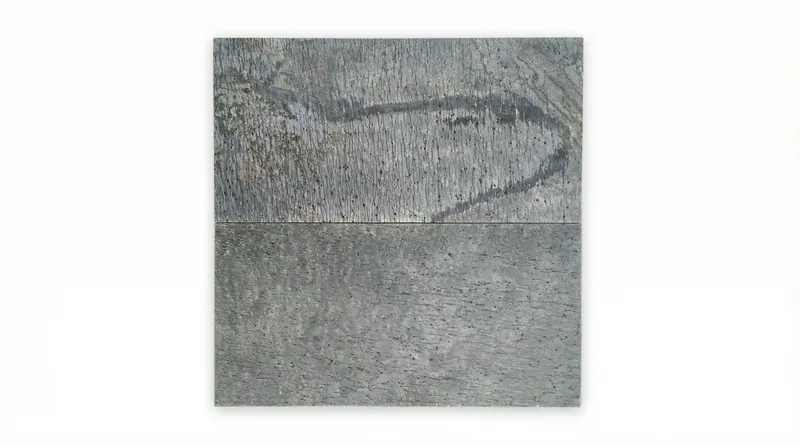
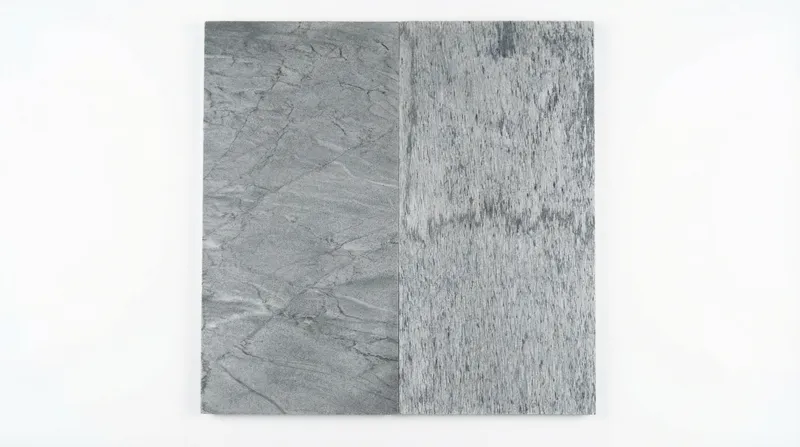
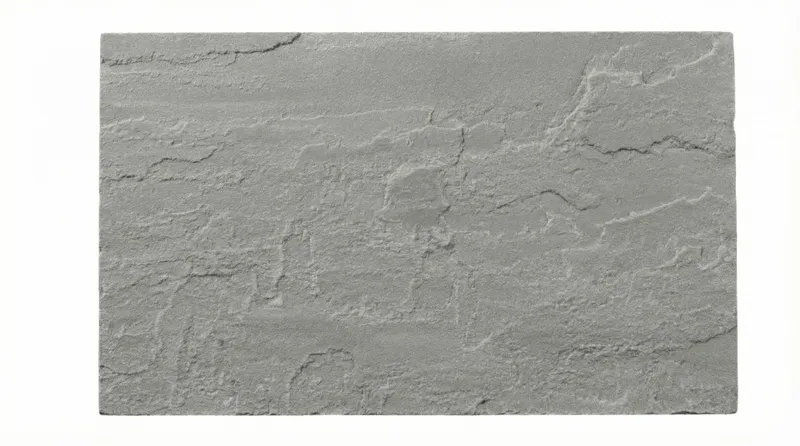
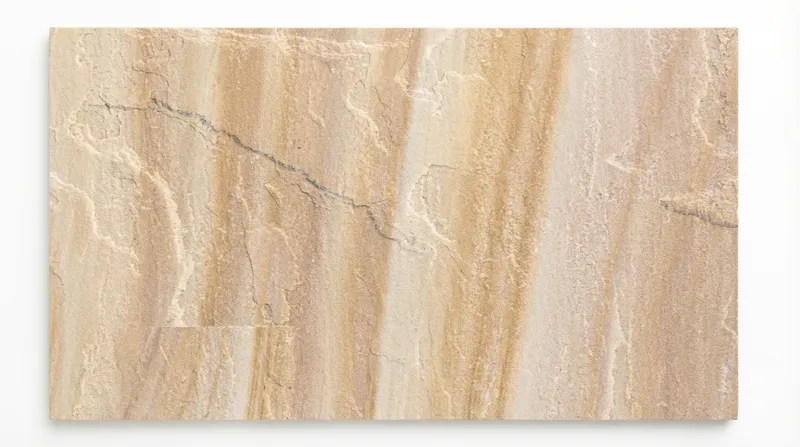
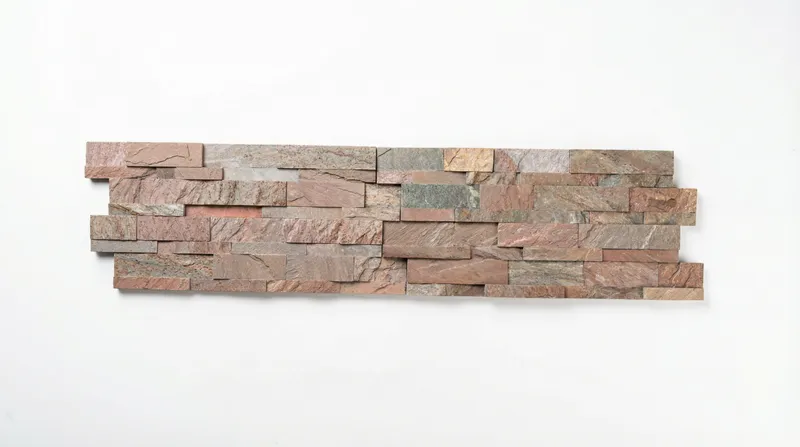
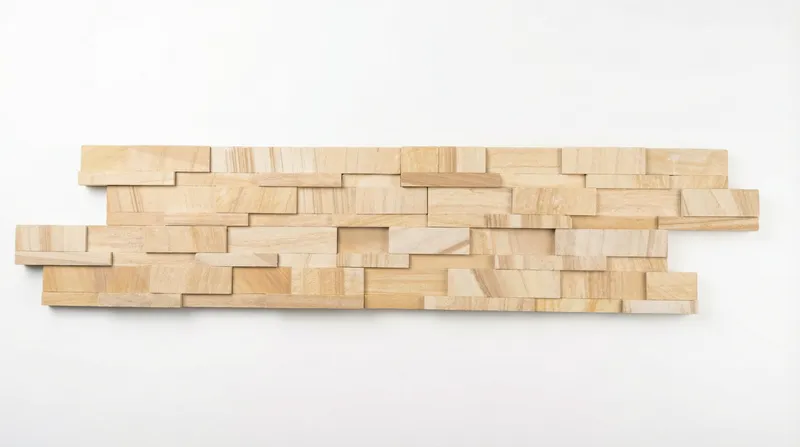
Quartzite offers textured and crystalline appearances for walls and selected exterior surfaces. Sandstone provides warm and neutral paving colors, including Kandla Grey and Buff. Limestone gives a more even visual field, while slate offers a layered appearance. These are design choices to investigate, not a ranking of guaranteed winter performance.
Compare actual samples in the specified thickness and finish. A photograph cannot show how a riven edge feels underfoot, how a dark surface looks when wet, or whether the batch includes an acceptable range of natural variation. For wall projects, include rigid veneer, flexible panels and random-pattern designs in the conversation as distinct constructions.
Ask for evidence that matches the stone and the use
A useful technical submission identifies the stone source, sample, thickness, finish, test method, date and laboratory. Ask the supplier which reports are available for the proposed material, then have the project specifier decide whether more testing is needed. An absorption result by itself is not a complete freeze–thaw assessment.
- Water absorption and density help characterize the material.
- Strength and abrasion information should match the intended load and traffic.
- Environmental exposure testing should address the proposed freezing and moisture conditions.
- Bond, backing and attachment information matter when the stone is supplied as a panel or veneer system.
Never copy a result from another quarry or from a generic internet table into a purchase order. Roop Stone Impex can discuss available documentation with your enquiry; final acceptance criteria belong in the agreed project specification.
Design for water to leave the assembly
A durable wall starts behind the visible face. Coordinate drainage, flashing, terminations, penetrations and compatible attachment with the wall designer. A stone-faced wall should not rely on the face material alone to stop water. On paving, review the base, drainage route, edge restraint and finished levels with the installer.
Consider the snow-clearing plan while the design is still flexible. Concentrated roof runoff, a snow pile against the base of a wall or a low point beside a door may create more demanding exposure than the rest of the project. A more expensive stone does not correct trapped water or an unsuitable substrate.
Send a purchase brief the supplier can quote accurately
Include destination ZIP code, use, measured quantity, preferred stone, finish, thickness, dimensional tolerance and installation method. Add drawings for corners, caps, tread noses and other custom pieces. Ask for sample approval, packing details and the required technical submission before the balance of the order is produced.
For example, a Massachusetts exterior-wall enquiry should describe the backing and veneer construction, whereas a Wisconsin patio enquiry should describe the paving format, base and snow-maintenance plan. Use our FOB price guide for an initial material comparison, then request a project quotation with destination logistics separated from the stone price.