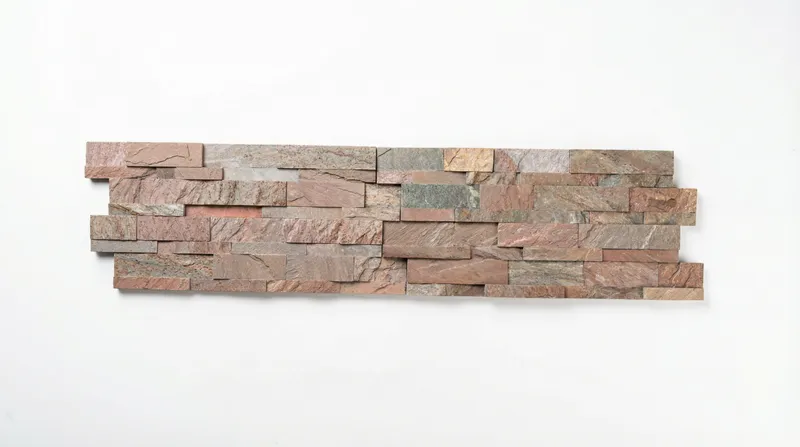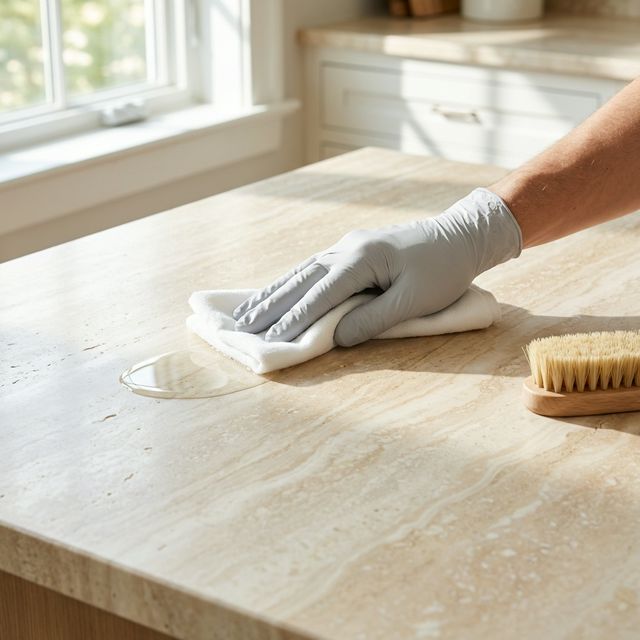
Natural stone is one of the most durable building materials on earth. Ancient structures built thousands of years ago still stand as testament to stone's incredible longevity. However, like any premium material, natural stone benefits from proper care to maintain its beauty and performance over time.
Understanding Why Maintenance Matters
Natural stone is porous to varying degrees. Even the densest quartzite has microscopic pores that can absorb liquids and harbour biological growth if left unprotected. Regular maintenance prevents staining, biological growth, and surface deterioration, ensuring your stone investment looks beautiful for generations.
Sealing: Your First Line of Defence
When to Seal
Sealing should be done after installation and periodically thereafter. The frequency depends on your stone type:
- Quartzite: Every 3 to 5 years (low porosity means less frequent sealing)
- Sandstone: Every 1 to 2 years for exterior applications
- Limestone: Annually, especially in high-moisture areas
Choosing the Right Sealer
Use an impregnating (penetrating) sealer rather than a topical sealer for most applications. Penetrating sealers protect from within without changing the stone's appearance or blocking its ability to breathe. For exterior stone, choose a sealer rated for UV resistance.
How to Apply Sealer
- Ensure the stone is completely clean and dry (wait 48 hours after cleaning)
- Apply sealer evenly with a microfibre applicator or low-pressure sprayer
- Allow to penetrate for the manufacturer's recommended time (usually 15 to 30 minutes)
- Wipe away excess sealer before it dries on the surface
- Apply a second coat if recommended and allow to cure for 24 hours before use
Routine Cleaning
Daily/Weekly Cleaning
For interior stone floors and surfaces, regular sweeping and damp mopping with clean water is usually sufficient. Use a pH-neutral stone cleaner for periodic deeper cleaning. Avoid acidic cleaners (vinegar, citrus-based products) on limestone and marble, as they can etch the surface.
Deep Cleaning for Exterior Stone
Exterior stone paving and cladding will accumulate dirt, algae, and biological growth over time. Clean annually with a dedicated stone cleaner and a stiff brush. Pressure washing is acceptable for hard stones like quartzite but use caution with sandstone, as excessive pressure can erode the surface.
Stain Removal
Different stains require different approaches:
- Oil-based stains: Apply a poultice of baking soda and acetone, cover with plastic wrap, and leave for 24 hours
- Organic stains (leaves, tea, food): Use hydrogen peroxide with a few drops of ammonia
- Rust stains: Use a commercial rust remover specifically designed for natural stone
- Hard water deposits: Apply a pH-neutral deposit remover (never use acids on limestone)
Seasonal Maintenance Checklist
- Spring: Deep clean exterior stone, inspect grouting, check for winter frost damage
- Summer: Apply sealer to exterior surfaces during dry weather
- Autumn: Remove fallen leaves promptly to prevent tannin staining
- Winter: Avoid de-icing salts on natural stone, as they can cause surface damage
When to Call a Professional
Consider professional stone restoration for deep staining, physical damage (chips, cracks), or if the stone has lost its finish. Professional stone restorers have specialized equipment and chemicals that can restore stone to near-original condition without causing further damage.