Create a product schedule that can survive handovers
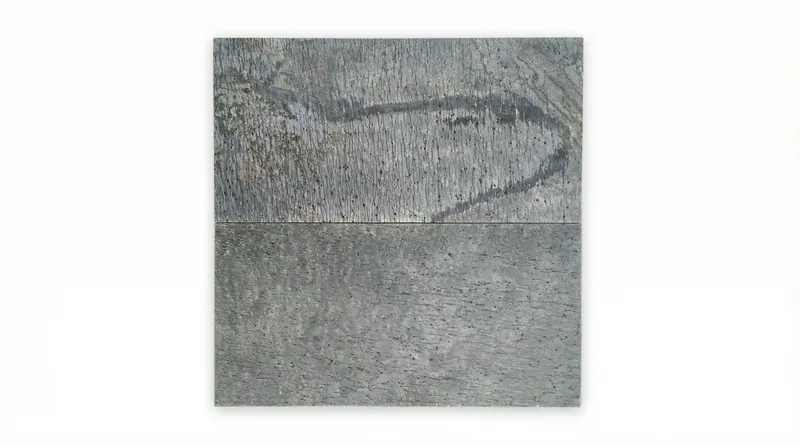
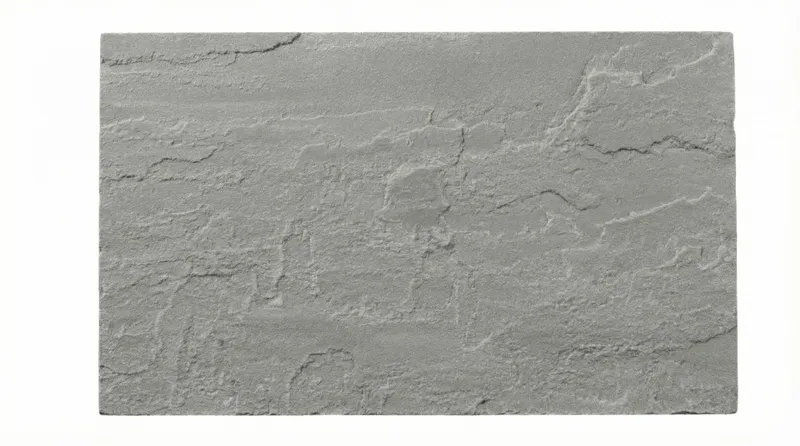
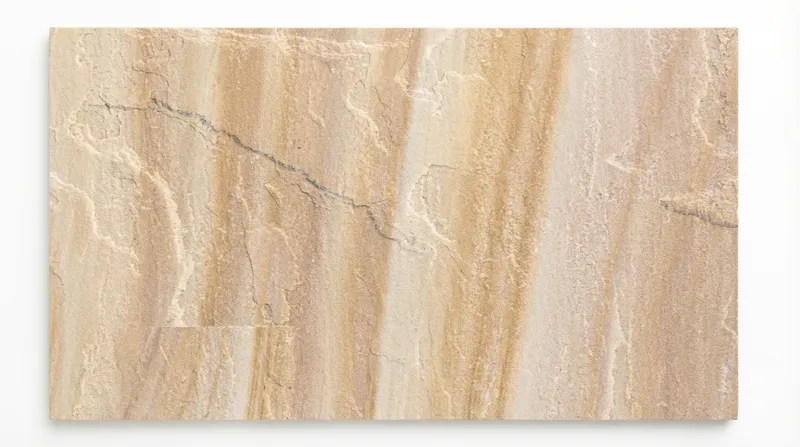
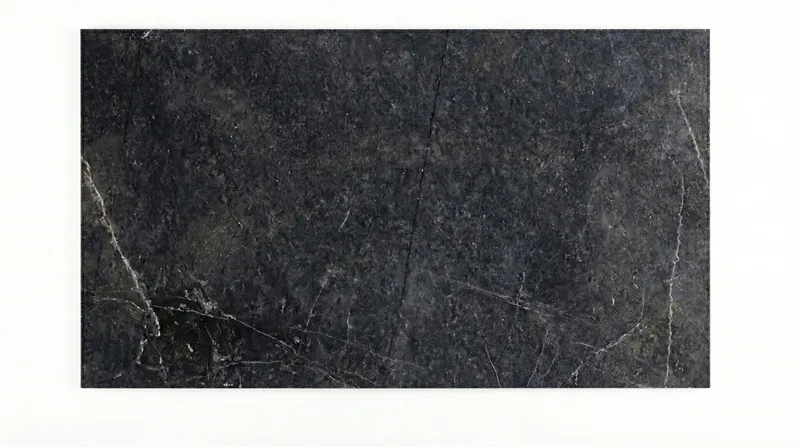
Give every quote line a product name, stone variety, format, dimensions, thickness, finish, edge detail and quantity. Distinguish square feet from linear feet and pieces. Veneer flats, corners, treads and caps should not be combined into one unclear area allowance.
For flexible panels, identify the backing and intended substrate. For rigid or random-pattern veneer, identify the construction and layout expectations. State the destination and use, especially if material will be exposed to freezing conditions. The veneer specification guide can help organize those questions.
Agree samples, documentation and acceptance before production
Approve the expected natural variation using a sample range or mock-up. Record dimensions and tolerances on drawings, and agree which technical documents should accompany the order. If additional testing is required, settle the sampling and approval process before committing to the production schedule.
Keep the product schedule, reference sample photographs, drawing revisions and commercial quotation together. A message saying “same as the sample” is less useful than a documented record of which sample, construction and finish were approved.
Build a landed-cost worksheet without assuming the duty rate
Separate material, custom fabrication, export packing, origin handling, ocean freight, insurance, destination handling, customs-related costs and inland delivery. Ask the freight provider and licensed customs broker to confirm which costs and responsibilities apply to the agreed shipment terms. Duty rates and trade measures should be checked for the actual product and entry date.
Our FOB price guide is a material-planning tool, not a complete US delivered-cost quotation. Confirm the named port, delivery term and included services in the commercial quotation. Do not estimate tariffs from a generic label such as “natural stone”; construction and processing can affect the classification question.
Check packing and unloading before the container is booked
Agree crate identification, quantities, piece protection, packing photographs and the packing list. Ask the supplier and logistics team to confirm compliant wood packaging where regulated wood is used. USDA APHIS requires regulated wood packaging entering the United States to meet ISPM 15 treatment and certification requirements.
Tell the receiving warehouse or site what is arriving and confirm suitable unloading equipment. Plan where crates can be stored without blocking access. For phased installations, discuss packing sequence so one needed corner piece is not buried under material for a later elevation.
Plan receipt and inspection as part of the order
Arrange who checks quantities, labels, visible condition and documentation on arrival. Photograph the packing and any concerns before moving or installing disputed material. Follow the agreed commercial and claims procedure, and keep the freight and insurance contacts available.
For projects in northern US states, allow time between receipt and the intended installation season for inspection, sample checks and contractor coordination. Freight schedules are shipment-specific; request a current estimate rather than treating an online transit range as a delivery promise. Send the completed product schedule to Roop Stone Impex for a project quotation.