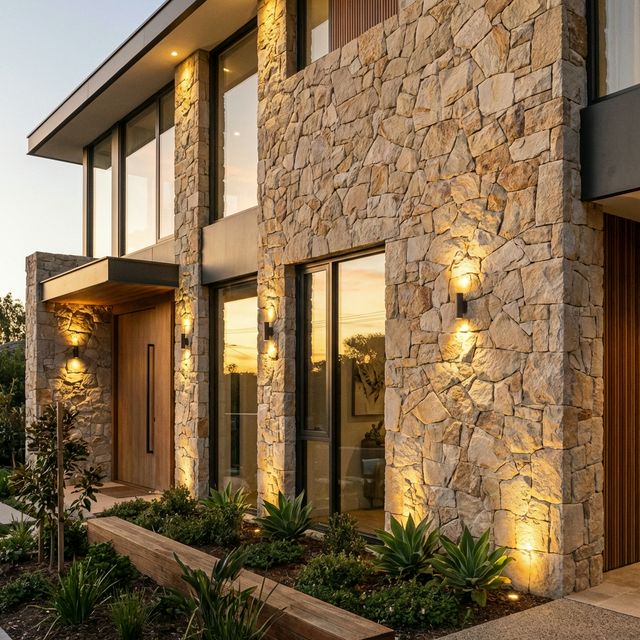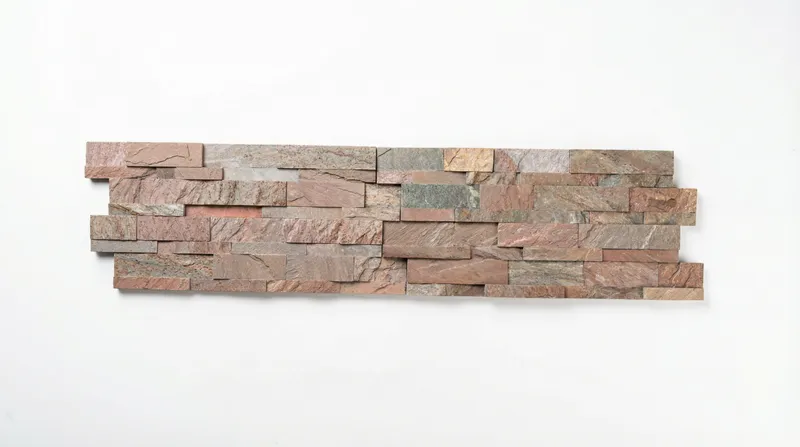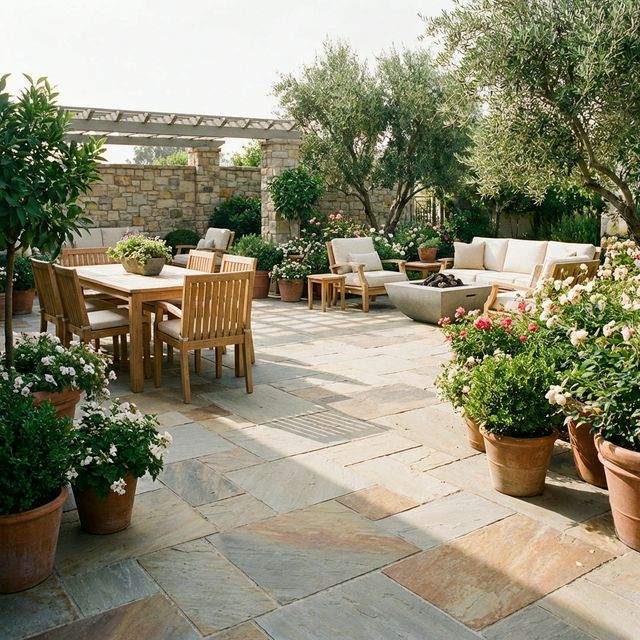
As the construction industry increasingly prioritizes environmental responsibility, natural stone has emerged as one of the most sustainable building materials available. Unlike manufactured alternatives that require high-energy processing and emit significant carbon, natural stone offers a genuinely green option with a lifecycle measured in centuries rather than decades.
The Environmental Case for Natural Stone
Low Embodied Energy
Natural stone requires minimal processing compared to concrete, ceramics, or composite materials. The primary energy inputs are extraction, cutting, and finishing, far less than the kilns, furnaces, and chemical processes required for manufactured alternatives. Studies show that natural stone produces 50% less CO2 per square metre than ceramic tiles and 80% less than concrete panels.
Exceptional Longevity
The most sustainable material is one that never needs replacing. Natural stone structures routinely last 100 years or more with minimal maintenance. Compare this to manufactured cladding (20 to 30 year lifespan) or composite decking (15 to 25 years). When measured per year of service, natural stone's environmental footprint is remarkably low.
Full Recyclability
At the end of its service life, natural stone can be repurposed, crushed for aggregate, or returned to the earth with zero toxic impact. It does not release microplastics, harmful chemicals, or persistent pollutants. Stone waste from quarrying and fabrication is routinely used in road construction, landscaping, and soil improvement.
Responsible Quarrying Practices
Modern responsible quarrying has evolved significantly from the practices of even 20 years ago. Leading quarry operators now implement:
- Progressive rehabilitation: Restoring quarry faces with native vegetation as sections are completed
- Water recycling: Capturing and filtering process water for reuse, reducing freshwater consumption by up to 90%
- Waste minimization: Using advanced cutting technology to maximize yield from each block, reducing waste to under 20%
- Dust control: Water suppression systems and enclosed processing areas to protect workers and local air quality
- Community engagement: Providing employment, infrastructure, and social support to local communities
Our Commitment at Roop Stone Impex
At Roop Stone Impex, sustainability is not a marketing phrase but a core business practice refined over 43 years. Our quarries in Rajasthan follow strict environmental guidelines. We invest in worker welfare, community development, and progressive land rehabilitation. Our fabrication facilities use water recycling systems and modern cutting equipment that minimizes waste.
How to Verify Sustainable Sourcing
When evaluating stone suppliers, ask these questions:
- Can you identify the specific quarry where the stone was extracted?
- What environmental management practices does the quarry follow?
- Are workers provided with fair wages, safety equipment, and health coverage?
- What percentage of quarry waste is recycled or repurposed?
- Can you provide documentation of your environmental compliance?
A reputable supplier will answer these questions transparently and welcome scrutiny of their practices.
Building a Sustainable Future with Stone
Choosing natural stone is choosing a material that respects both the environment and future generations. When sourced responsibly, it represents the perfect intersection of beauty, durability, and environmental responsibility. This is a building material the planet can sustain, and one that will sustain your building for a lifetime.