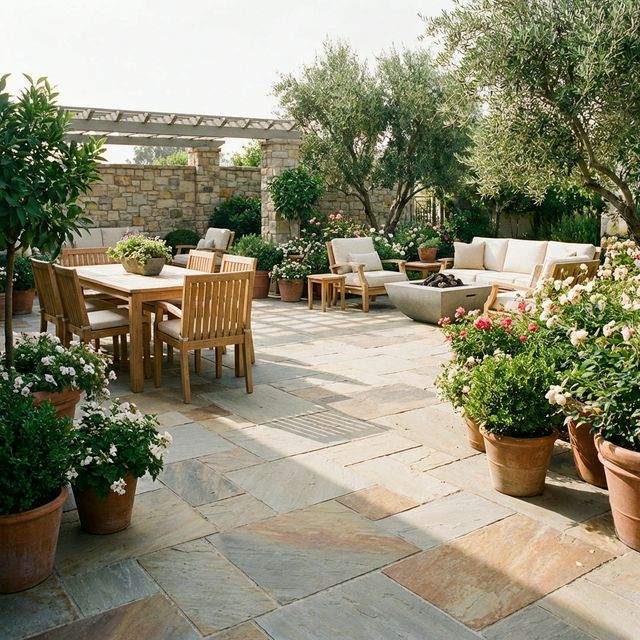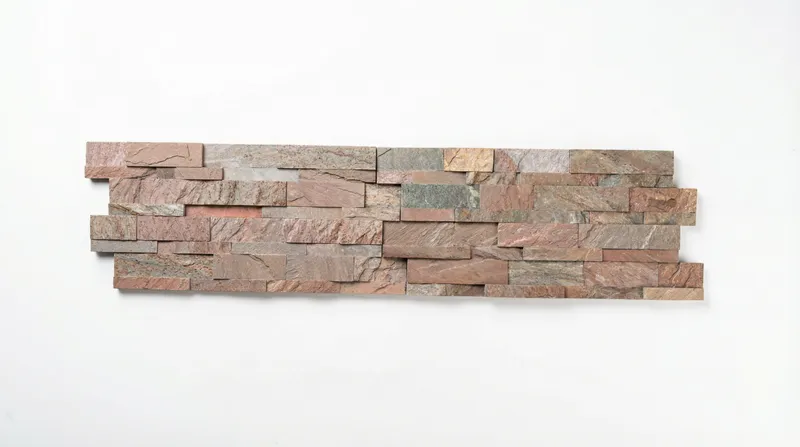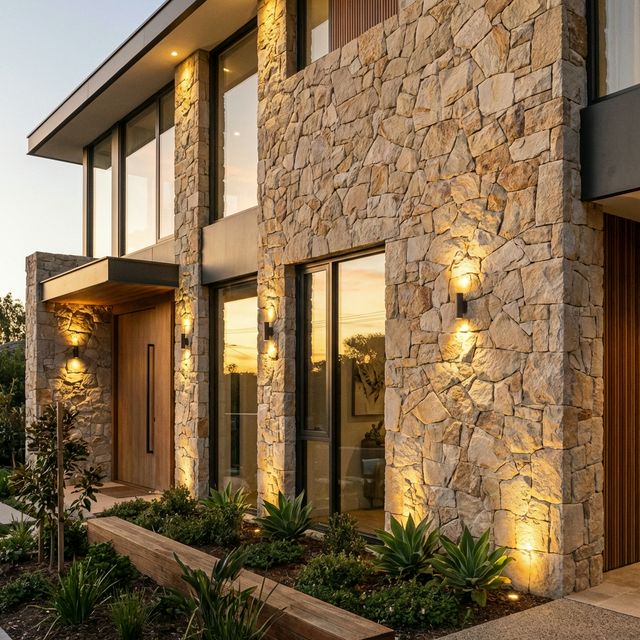
Specifying natural stone for large commercial projects—such as public plazas, corporate courtyards, and high-traffic retail parks—requires a rigorous understanding of material properties. The debate between sandstone vs limestone is one of the most frequent among commercial architects and landscapers. Both stones offer remarkable aesthetics, but their mechanical properties dictate completely different optimal use cases.
Mechanical Properties at a Glance
To make an informed decision for commercial paving or cladding, we must first look at the structural realities of Indian landscaping stone:
Sandstone: The Workhorse of Commercial Paving
- Mohs Hardness: 6 to 7
- Water Absorption: 1% to 6%
- Slip Resistance: Exceptional (especially in natural cleft or flamed finishes)
Indian sandstone is silica-based, meaning it consists of highly durable quartz grains cemented together over millennia. It is structurally dense and handles heavy dynamic loads flawlessly.
Limestone: The Architectural Canvas
- Mohs Hardness: 3 to 4
- Water Absorption: 2% to 12%
- Chemical Sensitivity: Highly sensitive to acids (calcium carbonate base)
Limestone offers a more homogenous, fine-grained appearance. It cuts beautifully, making it the premier choice for complex architectural detailing and sharp, modern aesthetics.
Best Applications for Commercial Projects
When to Specify Sandstone
Sandstone is the undisputed champion for exterior commercial paving. Its high coefficient of friction makes it incredibly slip-resistant, even when wet, which is an absolute necessity for public liability in commercial developments. Areas subjected to vehicular traffic, harsh freeze-thaw cycles, and relentless pedestrian use should immediately default to thick (35mm+) sandstone slabs.
Ideal Use Cases: Public squares, highly trafficked walkways, commercial driveways, and heavy-duty exterior cladding.
When to Specify Limestone
Limestone dominates in controlled environments where consistent elegance is required. Because it is softer, it shouldn't be subjected to heavy exterior foot traffic where abrasive dirt can prematurely wear the finish. However, its thermal stability and subtle, consistent colour palette make it an architectural favourite.
Ideal Use Cases: Hotel lobbies, corporate atriums, interior feature walls, upscale retail flooring (with proper sealing regimens), and intricate facade detailing.
The Maintenance Equation
Commercial projects demand predictive maintenance forecasting. Sandstone requires robust, penetrating sealers to protect against urban staining (oil, chewing gum), but structurally, it will outlast the building itself. Limestone requires a much stricter maintenance schedule, specifically avoiding any acidic cleaning agents that will etch the calcium carbonate surface.
Conclusion: The Project Dictates the Stone
Choosing between sandstone and limestone is rarely about aesthetics alone; it is a structural decision. Specify Indian sandstone when durability, grip, and exterior load-bearing capacity are your primary concerns. Specify limestone when interior elegance, precise cutting, and a uniform aesthetic take precedence.