Choosing between quartzite, sandstone, and limestone is one of the most common dilemmas facing architects, builders, and homeowners. Each stone has distinct properties that make it ideal for specific applications but less suitable for others. This comprehensive comparison will help you make an informed decision based on your project's unique requirements.
At a Glance: Quick Comparison
| Property | Quartzite | Sandstone | Limestone |
|---|---|---|---|
| Mohs Hardness | 7 to 8 | 6 to 7 | 3 to 4 |
| Water Absorption | Less than 1% | 1% to 6% | 2% to 12% |
| Frost Resistance | Excellent | Good to Excellent | Fair to Good |
| UV Stability | Excellent | Good | Good |
| Acid Resistance | Excellent | Good | Poor |
| Workability | Moderate | Easy | Very Easy |
| Price Range | Premium | Mid-range | Mid to Premium |
| Lifespan | 100+ years | 50 to 100 years | 50 to 100 years |
Quartzite: When Durability Is Non-Negotiable
Quartzite is the hardest and most durable of the three options. Formed from sandstone that has been subjected to extreme heat and pressure deep within the earth, it has been transformed into a much harder, denser material. This metamorphic process gives quartzite its signature characteristics: exceptional hardness, very low water absorption, and resistance to chemical weathering.
Best Applications for Quartzite
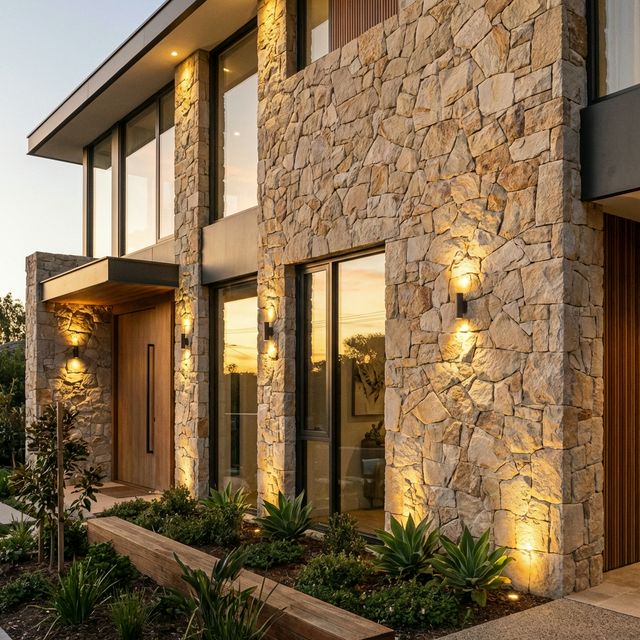
- Exterior cladding in harsh climates (freeze-thaw, coastal, tropical)
- High-traffic commercial flooring (hotels, airports, retail)
- Pool surrounds and water features (near-zero water absorption)
- Kitchen countertops (scratch and heat resistant)
- Coastal properties (salt-spray resistant)
Sandstone: When Versatility and Warmth Matter
Sandstone offers the widest color range of any natural stone, from cool greys to warm reds, golden yellows to rich browns. Its moderate hardness makes it easier to work with than quartzite, allowing for more complex architectural details. Indian sandstone varieties are particularly renowned for their quality and consistency.
Best Applications for Sandstone
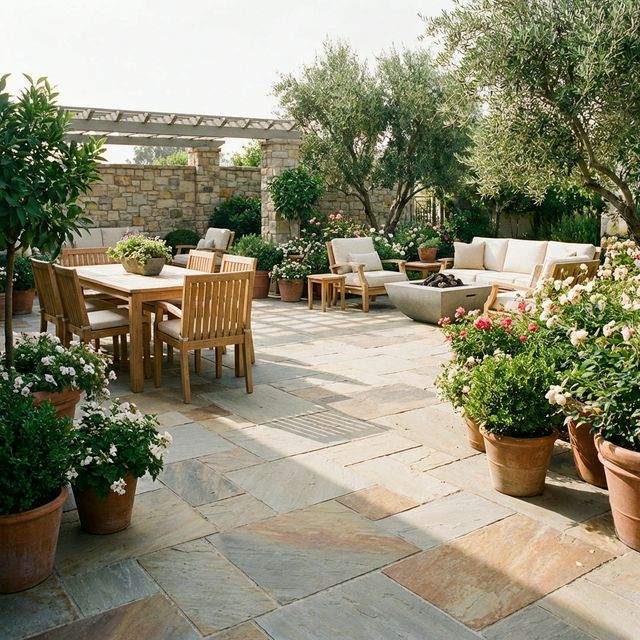
- Residential paving and patios
- Garden walls and landscaping features
- Heritage building restoration
- Interior feature walls
- Fireplace surrounds
Limestone: When Elegance and Consistency Are Key
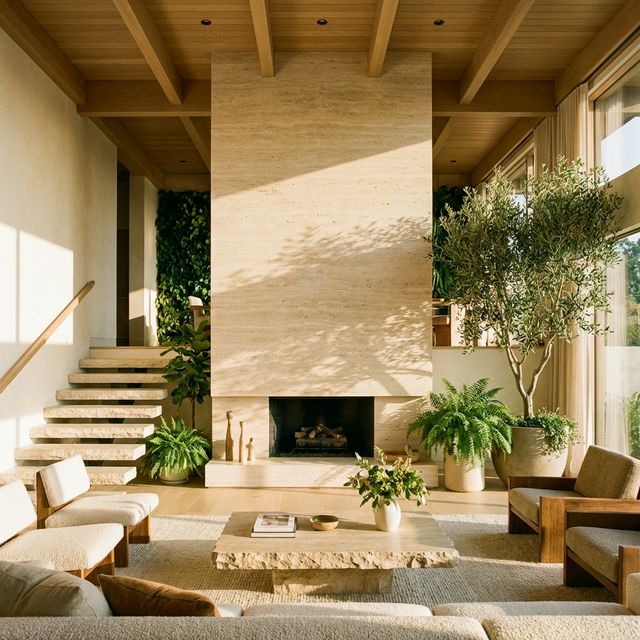
Limestone offers the most consistent and refined appearance of the three. Its fine grain, subtle coloring, and smooth finish create an atmosphere of understated luxury. Limestone is also the easiest to cut and shape, making it ideal for detailed architectural work.
Best Applications for Limestone
- Interior flooring in light-traffic areas
- Bathroom walls and shower surrounds (with proper sealing)
- Architectural mouldings and carved elements
- Contemporary interior facades
- Historical restorations
Making Your Decision
Consider these key questions when choosing:
- What is the primary application? Exterior paving demands different properties than interior walls
- What is your climate? Cold climates with freeze-thaw cycles favour quartzite
- What is your maintenance tolerance? Quartzite needs the least care; limestone needs the most
- What is your budget? Sandstone typically offers the best value per square metre
- What aesthetic do you want? Each stone creates a distinctly different visual character
Why Not Use All Three?
Many architects combine different stones within a single project to leverage each one's strengths: quartzite for exterior cladding, sandstone for paving, and limestone for interior accent walls. The key is to ensure the stones complement each other aesthetically and are specified correctly for each application. At Roop Stone Impex, we supply all three stone types and can help you select the perfect combination for your project.