Selecting the right natural stone for your building's exterior is one of the most important architectural decisions you'll make. The stone you choose will define the character of your structure for decades, influence maintenance requirements, and impact long-term costs. With so many options available, from Indian quartzite to Rajasthan sandstone, making the right choice requires understanding each stone's unique properties.
Understanding Your Options
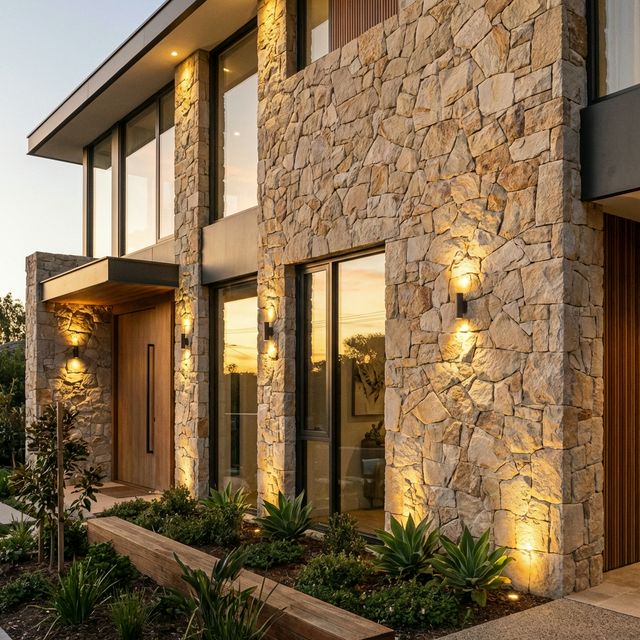
Natural stone for exterior cladding falls into three main categories, each with distinct characteristics that make them suitable for different applications and climates.
Quartzite: The Durability Champion
Quartzite is a metamorphic rock with a Mohs hardness rating of 7 to 8, making it one of the hardest natural stones available. Its extremely low water absorption rate (typically under 1%) makes it ideal for regions with freeze-thaw cycles. Popular varieties like Deoli Green, Silver Shine, and Terra Red Slate offer a stunning range of colors while maintaining exceptional strength.
- Best for: High-traffic commercial facades, coastal properties, cold climates
- Water absorption: Less than 1%
- Mohs hardness: 7 to 8
Sandstone: The Versatile Classic
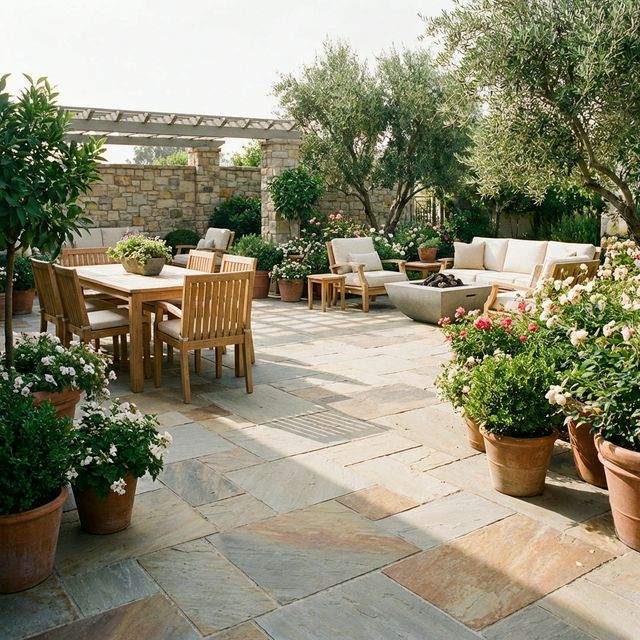
Sandstone has been used in architecture for millennia, from the Red Fort in Agra to modern residential patios across Europe. Indian sandstone varieties like Kandla Grey, Autumn Brown, and Dholpur Beige offer warm, earthy tones that blend naturally with any landscape. While softer than quartzite (Mohs 6 to 7), sandstone is easier to cut and shape, offering greater design flexibility.
- Best for: Garden walls, residential facades, heritage restorations
- Water absorption: 1% to 6%
- Mohs hardness: 6 to 7
Limestone: The Elegant Choice
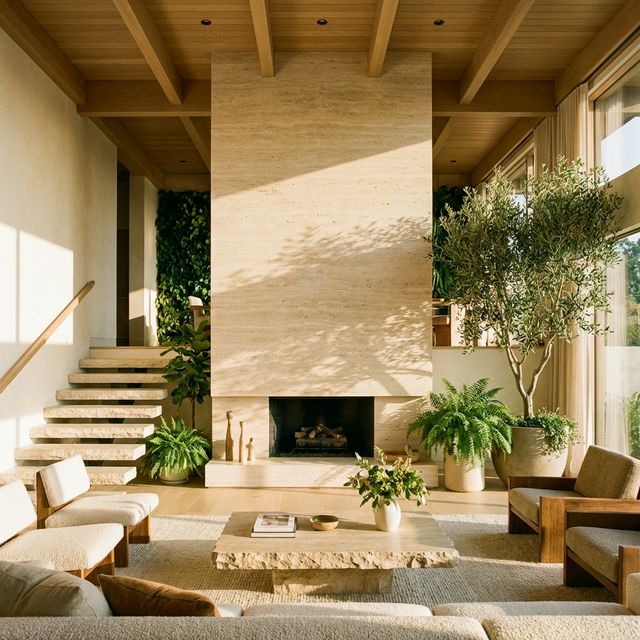
Limestone offers a refined, consistent appearance that works beautifully in both contemporary and traditional architecture. Its natural thermal properties help regulate building temperature, making it energy efficient. Varieties like Kota Blue and Tandur Yellow provide subtle sophistication.
- Best for: Interior feature walls, contemporary facades, pool surrounds
- Water absorption: 2% to 12%
- Mohs hardness: 3 to 4
Key Factors to Consider
1. Climate and Weather Exposure
Your local climate is the single most important factor in stone selection. For areas with harsh winters and freeze-thaw cycles, choose stones with low water absorption rates. Quartzite excels here with absorption rates under 1%. In milder climates, sandstone and limestone perform beautifully with proper sealing.
2. Aesthetic Goals
Consider the overall design language of your project. Quartzite offers dramatic veining and metallic lustre. Sandstone provides warm, earthy tones with natural texture. Limestone delivers clean, consistent surfaces. Request samples from your supplier and view them in natural light before making a final decision.
3. Maintenance Requirements
All natural stones benefit from periodic sealing, but the frequency varies. Quartzite may need resealing every 3 to 5 years, while more porous stones like sandstone and limestone may require annual attention. Factor this into your long-term budget and maintenance plan.
4. Budget Considerations
While natural stone costs more upfront than manufactured alternatives, its longevity often makes it more economical over a building's lifetime. Quartzite sits at the premium end, while sandstone offers excellent value. Always factor in shipping, installation, and maintenance costs for a complete picture.
Choosing a Reliable Supplier
The quality of your stone depends heavily on your supplier. Look for manufacturers with direct quarry access, comprehensive quality control protocols, and proven export experience. At Roop Stone Impex, our 43 years of experience and 14-point quality protocol ensure every shipment meets the highest standards.
Final Thoughts
The best natural stone for your exterior cladding project depends on your specific climate, aesthetic preferences, budget, and maintenance capacity. By understanding the properties of each stone type and working with an experienced supplier, you can make a choice that enhances your building's beauty and value for generations.