Name the construction before comparing price
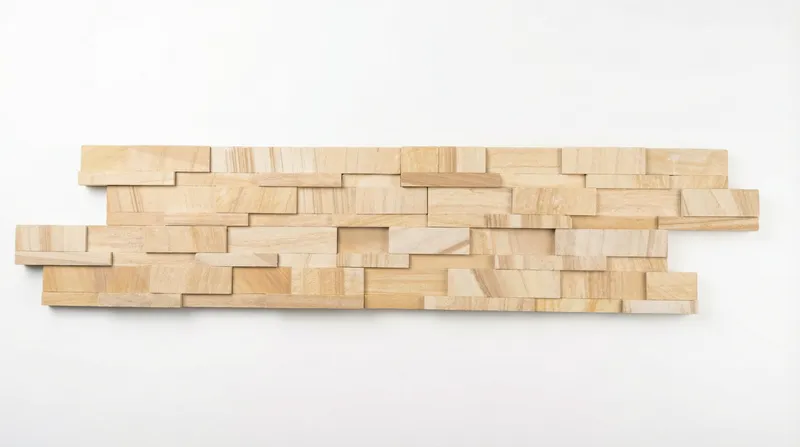
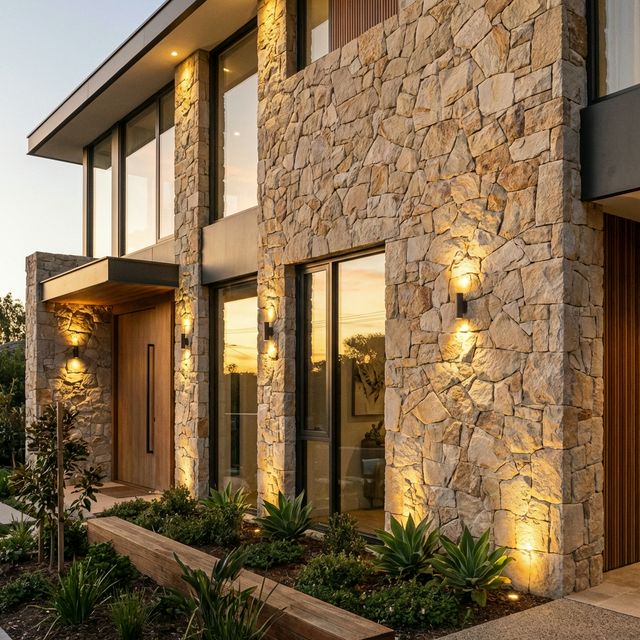
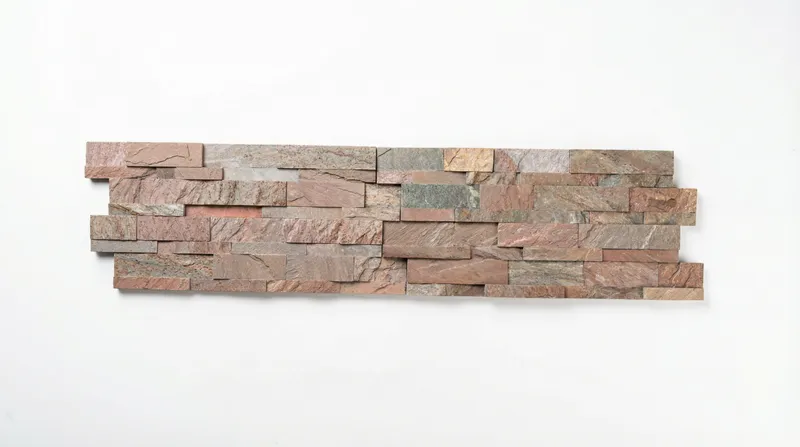
Full-bed natural stone uses deeper masonry units with the support and attachment designed for that construction. Rigid thin veneer reduces the depth of the natural stone facing and may be supplied as separate pieces or assembled panels. Flexible sheets use a thin natural stone face on a carrier. Manufactured stone veneer is a formed product designed to resemble stone. These names describe different constructions, not interchangeable finishes.
Ask each bidder to identify what is included: stone face, backing, panel assembly, corners, caps, attachment materials and installation. A low square-foot price is useful only when the compared scopes are clear.
Use a comparison table in the design meeting
| Option | What to confirm | Important design question |
|---|---|---|
| Full-bed natural stone | Bed depth, support, attachment and mortar | How is the masonry load carried? |
| Rigid thin veneer or panels | Piece/panel weight, backing and attachment | How do corners and drainage work? |
| Flexible natural stone sheets | Carrier, adhesive, joints and exposure limits | Is the complete system approved for this substrate and use? |
| Manufactured veneer | Product system and installation documentation | Which details and limitations apply to the selected product? |
No option should be approved from this table alone. Use it to identify the information needed from the designer, supplier and installer.
Compare the installed scope, not just material weight
Veneer may change handling and support requirements, but savings depend on the project. Include substrate preparation, access, scaffolding, attachment, corners, openings, trim, cuts and waste. A highly irregular layout may require more setting-out than a repetitive panel pattern. A curved wall may require a different product construction from a flat facade.
Make each quotation state whether it covers the visible face only or the full wall package. Ask who provides shop drawings, mock-ups and samples, and who resolves details where the stone meets other materials. This prevents gaps between a material supplier’s scope and a contractor’s assumptions.
Treat cold-weather performance as an assembly question
For a cold-market exterior, investigate the proposed face, backing, attachment and drainage together. A natural stone face does not establish the performance of every resin, mesh or adhesive combined with it. Full-depth construction also needs a complete water-management and support design.
Ask for documentation that matches the supplied product and intended exposure. Avoid comparing an interior decorative panel with an exterior masonry product simply because the surface colors look similar. Our rigid versus flexible veneer guide explains the first questions to ask.
Approve the product that will actually be delivered
Use a physical sample or mock-up that shows thickness, relief, edges and corners. For random-pattern work, include several pieces and the planned joints. Review how the back of the sample will connect to the specified substrate. Keep the approved drawing and reference sample together with the purchase documents.
Roop Stone Impex supplies custom rigid stone pieces, flexible panels and decorative veneer patterns. Describe the intended construction in your enquiry so the quotation can be evaluated against the correct alternatives. Confirm all custom dimensions and acceptance criteria before production.