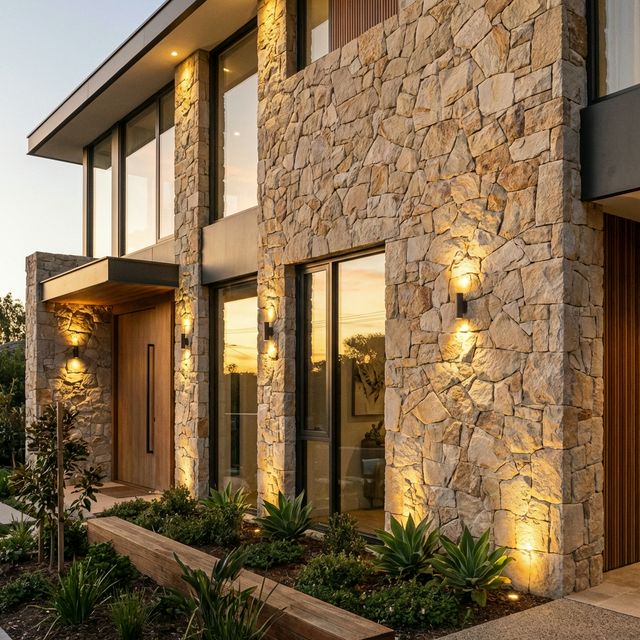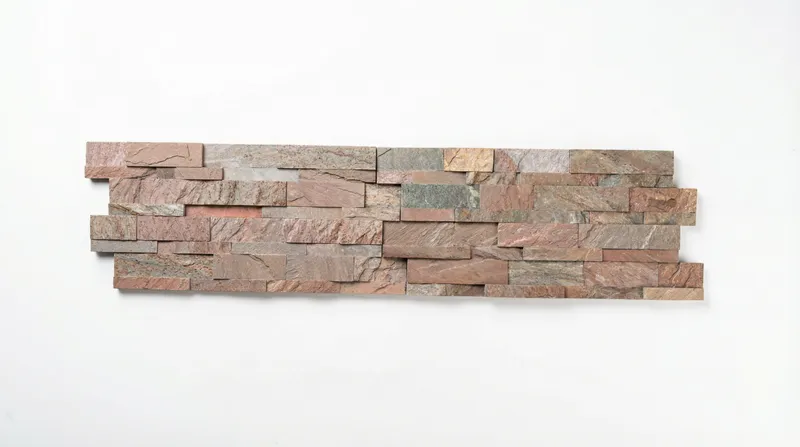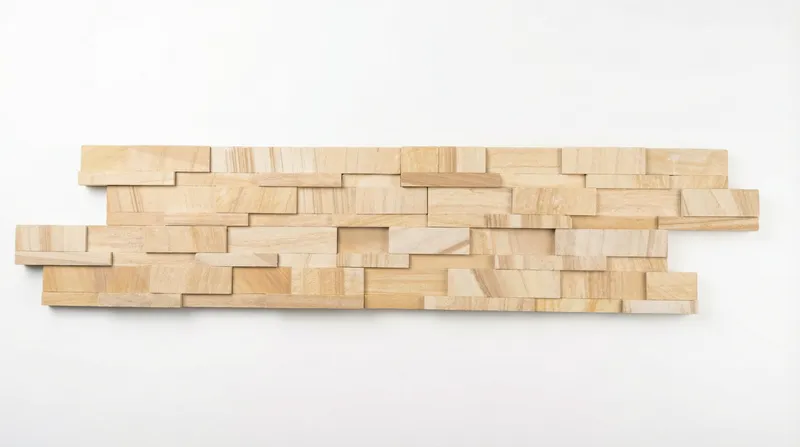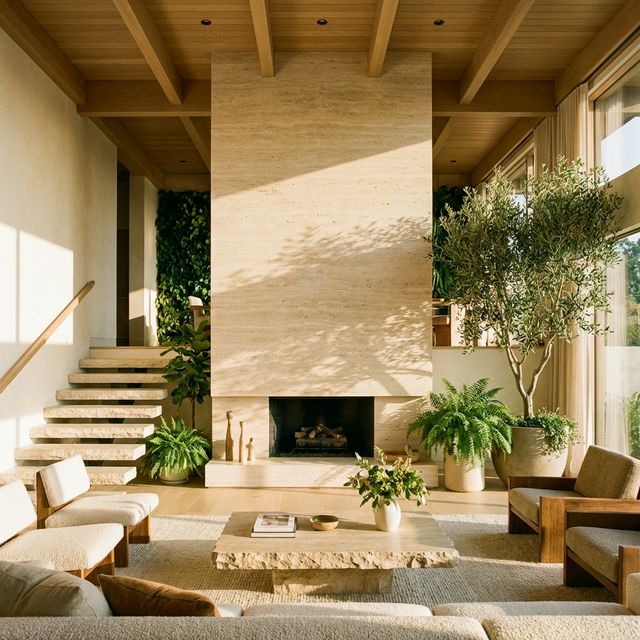
The architecture and design world is experiencing a profound shift back to natural materials, and natural stone is at the centre of this movement. After decades of manufactured alternatives dominating the market, architects, designers, and homeowners are rediscovering the irreplaceable beauty and authenticity of real stone. Here are the five trends defining natural stone in 2025.
1. Biophilic Design: Bringing Nature Indoors
Biophilic design, the practice of incorporating natural elements into built environments, has moved from trend to standard practice. Natural stone plays a central role, providing an organic, tactile connection to nature that manufactured materials cannot replicate.
Architects are specifying stone with visible fossils, natural veining, and organic color variations, features that were once considered imperfections are now celebrated as markers of authenticity. Quartzite varieties like Silver Shine and Deoli Green, with their complex natural patterns, are perfectly suited to biophilic interiors.
2. Stone Drenching: Full-Room Stone Applications
Following the "color drenching" trend in interior design, "stone drenching" involves cladding entire rooms, floors to walls to ceiling, in a single stone variety. This creates immersive, almost meditative spaces that feel both luxurious and primal.
Hotels, spas, and luxury residences are leading this trend, using stone drenching to create bathrooms, entryways, and living spaces that feel carved from solid rock. Lighter stones like Dholpur Beige and Silver Grey quartzite are popular choices that prevent drenched spaces from feeling too dark or heavy.
3. Textured and Tactile Finishes
The era of uniformly polished stone is giving way to a celebration of texture. Flamed, brushed, bush-hammered, and natural cleft finishes are increasingly specified for both interior and exterior applications. These finishes add visual depth and tactile interest that polished surfaces lack.
The trend extends to mixing finishes within a single project. A wall might combine polished, honed, and natural cleft panels of the same stone to create a dynamic surface that changes character with the light. This technique works beautifully with quartzites and sandstones that have strong natural grain.
4. Large Format Stone Panels
Advances in cutting technology have made it possible to produce large-format natural stone panels, some exceeding 3 metres in length, that create fewer joints and more dramatic visual impact. These panels are particularly effective for feature walls, facades, and flooring where the stone's natural patterns can be displayed at maximum scale.
Large format panels also reduce installation time and grout lines, creating a cleaner, more contemporary aesthetic. Combined with reinforcement technology, even delicate stones can be produced in sizes that would have been impossible a decade ago.
5. Sustainable and Traceable Sourcing
Environmental consciousness is no longer optional in the building industry. Architects and developers increasingly demand full traceability for their stone, wanting to know the specific quarry, the extraction methods used, and the environmental practices in place.
This trend favours established, responsible manufacturers like Roop Stone Impex, who can provide complete provenance documentation for every piece of stone. Our 43-year track record of responsible quarrying in Rajasthan positions us perfectly for this growing market demand.
Looking Ahead
These five trends share a common thread: a return to authenticity, craftsmanship, and environmental responsibility. Natural stone, the oldest building material in human history, is proving itself to be the most forward-looking choice for contemporary architecture. The question is no longer whether to use natural stone, but which variety and finish will best express your design vision.